
Reviewed · BANDERAS BAY WILDLIFE & TURTLE RELEASES
Desembocada and Ameca River Bird Paradise (Wetland and Tropical birds in PV)
Morning birds come fast here. I love the biologist guide and the way this outing mixes mangroves, river edges, and tropical habitat. You’ll also want to note the drawback: it starts at 6:45am, and it can be canceled if weather turns or if minimum participants aren’t met.
This is a small-group trip (max 8 travelers) with air-conditioned transport from Marina Vallarta, so you get into the field without hauling gear all over town. The vibe is practical birding: walk, scan, and use the guide’s eyes and tools to turn sightings into real IDs.
Bring your walking shoes and a birding log. You’ll spend hours outside, and if you have knee issues, this kind of early-morning walking may feel like too much for a 7-hour day.
In This Review
- Key things that make this birding tour worth your morning
- Where Desembocada and the Ameca River actually pay off
- The 6:45am plan: pick-up, transport, and how the day moves
- Playa Boca de Tomates: your first birding push
- Wetlands and mangroves: how you spot birds that don’t want to be found
- Scopes, calls, and the end-of-day checklist ritual
- Comfort details that make a 7-hour bird walk actually work
- What you can realistically hope to see (and how to think about it)
- Who this Puerto Vallarta birding tour fits best
- Booking this bird paradise: should you go
- FAQ
- What time does the birding tour start?
- How long is the tour?
- Where do I meet for the tour?
- Is the tour offered in English?
- What’s included in the price?
- Is lunch included?
- How big is the group, and what’s the age limit?
- Is this tour suitable if I have knee problems?
- What happens if the tour can’t run due to weather or low participants?
Key things that make this birding tour worth your morning
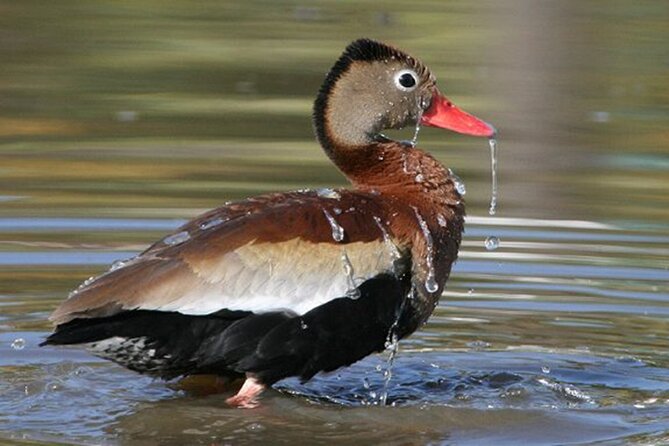
- Biologist-led birding on the Desembocada and Ameca River systems
- Nearly 350 possible species across varied wetland and tropical habitats
- Scopes and smart ID help, including using bird calls and behavior
- Mangroves plus the chance at the American Crocodile sighting zone
- Small group size (up to 8), which makes questions easier and stops less rushed
- A checklist wrap-up at the end to help you remember what you saw
Where Desembocada and the Ameca River actually pay off
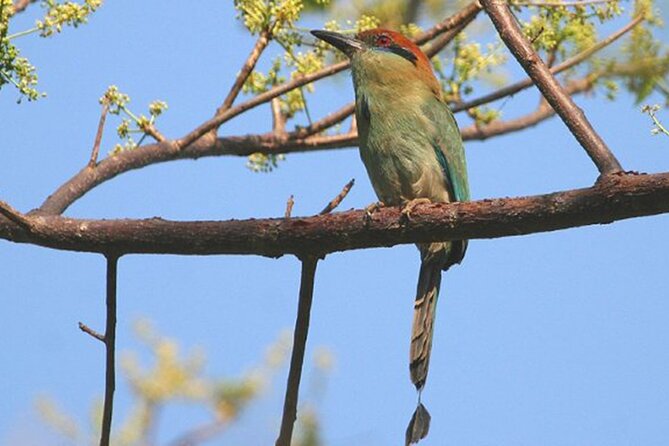
Puerto Vallarta birding isn’t just about spotting something colorful. It’s about context: wetlands, mangroves, and river edges all host different feeding and nesting behaviors. That’s why this tour leans hard into the Desembocada and Ameca River areas.
You’re not bouncing between random photo stops. You’re working the kinds of places birds use daily—edges where food shows up, spots where birds feel safe enough to forage, and stretches where sound carries. When the guide is trained for this, you’ll spend less time guessing and more time confirming.
And yes, the American Crocodile gets mentioned for a reason. Even if you don’t see one, being in crocodile country shapes the whole birding approach: slow scanning, respectful distance, and watching for movement on the waterline.
Hatchlings at sunset and other wild encounters

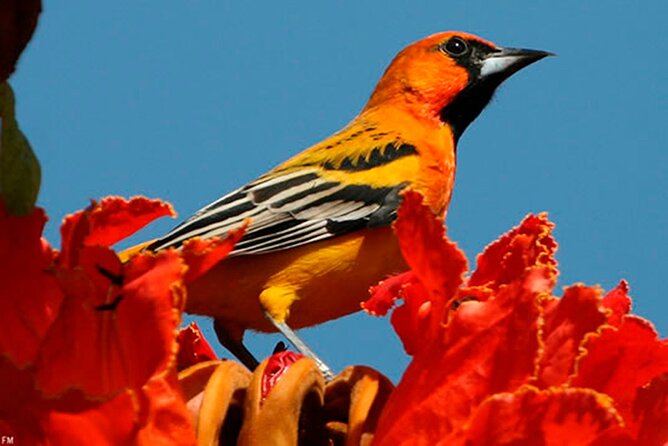
The 6:45am plan: pick-up, transport, and how the day moves
Your day starts early—6:45am—with meeting at Ecotours Vallarta / Dive Shop Proa 20, Marina Vallarta (48335). Early starts matter for birding because birds are often most active when temperatures are lower and morning insects are moving. It also helps you reach productive habitat before the day gets hot and visibility gets tricky.
Transport is part of the package. You’ll ride in an air-conditioned van, and that’s a real comfort benefit during a 7-hour outing. Also, with a max group size of 8, you’re less likely to feel like you’re herded into a big bus routine.
The practical food plan: bottled water, snacks, and coffee and/or tea are included. Lunch is not. So build your hunger expectations accordingly. If you know you get hungry after a few hours of walking and scanning, you’ll want to plan something for later (either before the tour or after).
Playa Boca de Tomates: your first birding push
The day kicks off at Playa Boca de Tomates. This matters because beaches and nearby wet areas can act like bird highways—food concentrates, birds transit, and some species stay close to shore cover.
Expect a mix of “watch and wait” moments and “scan and confirm” moments. A good bird guide doesn’t just point. They teach you how to read bird behavior: where a bird feeds, how it holds its body, and what direction it’s looking. Those cues help you identify birds without needing every last detail to be perfect.
One of the strongest themes from guides on this route is using the birding tools and your own eyes together. For example, some departures include scope support and identification help, including matching sightings with calls and songs. That pairing speeds up IDs and makes the morning feel less random.
Wetlands and mangroves: how you spot birds that don’t want to be found
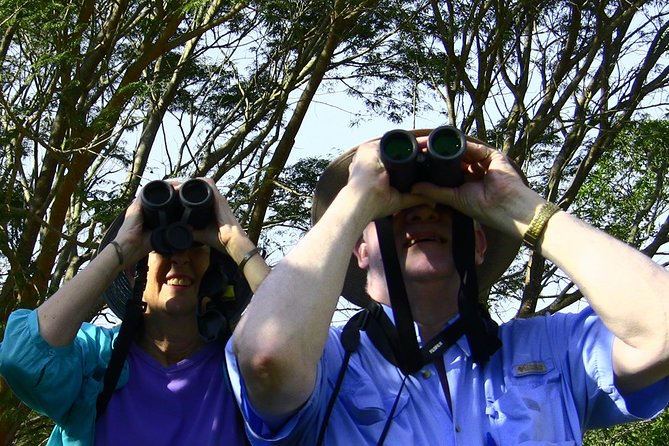
After Playa Boca de Tomates, the heart of the experience is the wetland and tropical bird habitat around Desembocada and the Ameca River regions. This is where you’ll get the payoff from the tour’s “nearly 350 species” claim—not as a promise, but as a sign that conditions are built for variety.
Mangroves and wetland edges tend to produce birds in layers:
- Some birds are visible and bold, especially when they’re feeding.
- Others are hidden in cover, and you find them by motion, sound, and repeated scanning.
- Many species show up in small bursts—one bird appears, then another, then a lull.
This is why the biologist-style guide approach matters. In these habitats, the best strategy is often patience with purpose. The guide’s job is to notice what you might miss and then translate it into simple cues for you to use later.
If you’re birding for “lifers,” this habitat mix is the kind of setup that gives you a chance at special finds. If you’re birding for fun, it keeps the day from becoming a checklist grind. Either way, your time tends to feel productive because you’re in the right ecosystems.
Scopes, calls, and the end-of-day checklist ritual
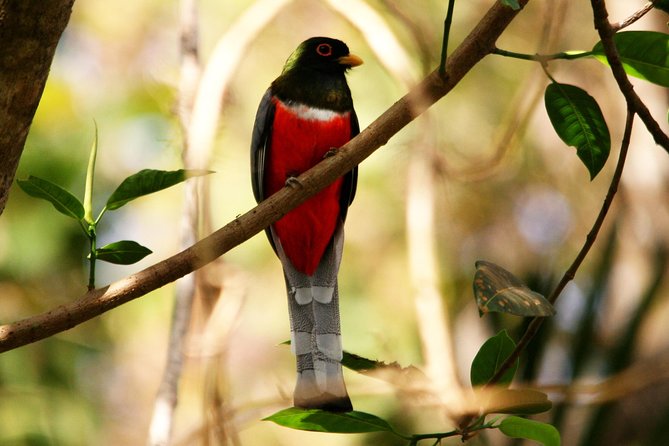
A big reason this tour earns standout ratings is the way guides help you see birds at multiple distances. I like that this isn’t only about pointing. You get help with identification, and in many outings the group uses a scope plus “listen and watch” techniques.
Bird ID by sound is underrated. Once you learn the rhythm of a call or song, birds feel less like random noise and more like a map. Some guides on this route have a knack for spotting by call first—then the bird “appears into view” as you track it.
You’ll also get an end-of-day wrap-up. Many departures finish with a group counting or reviewing session, and a checklist is used to help you remember what you saw. That’s a smart habit. By the time the day ends, your brain is tired and the birds blur together. A checklist ritual gives you clean recall before everything fades.
Names you may hear from prior departures include Michael and Cynthia, and both come through in the same way: spotting birds early, using scopes, and staying patient with questions.
- Puerto Vallarta Best Zipline Canopy + Tequila and Speed Boat Ride★ 5.0 · 3,786 reviews
- Winner 2025 Downtown Vallarta Food Tour with Vallarta Food Tours★ 5.0 · 3,738 reviews
- Extreme Adventure, Wildest Bridge, ATV & Ziplines★ 5.0 · 3,179 reviews
- Mega Yacht ALL INCLUSIVE Yelapa Waterfall & Snorkeling Adventure★ 5.0 · 2,515 reviews
- Food & Mixology Tour:Tequila,Tacos, Mezcal and Agave Cocktails★ 5.0 · 1,884 reviews
Comfort details that make a 7-hour bird walk actually work
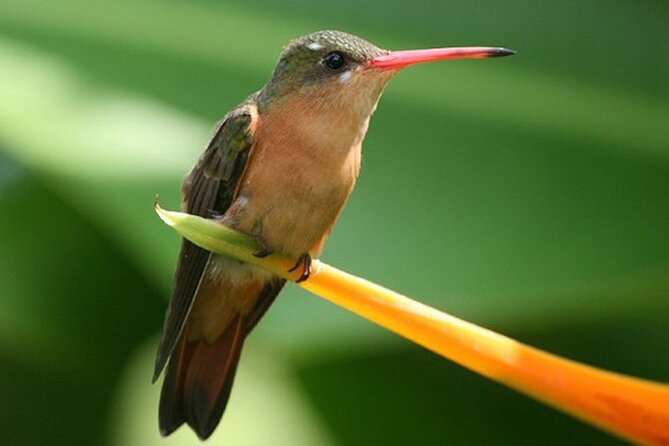
This tour is built around a simple reality: you’re outside for about 7 hours. That means comfort choices matter as much as bird species.
Wear walking shoes. The guide leads you through uneven terrain and wetland edges where you don’t want slippery soles or sore ankles. Also, bring your birding log so you can write down IDs quickly. Even if you don’t get every bird perfectly, notes help you tighten IDs later.
The transport helps, but it’s still a long day. Expect a fair amount of driving between productive areas. In some groups, the vehicle experience can feel a little tight during the ride, especially if the van fills up. Since the group is capped at 8, it usually stays manageable—just don’t expect luxury limo space.
Heat and timing are also part of the deal. Starting early helps a lot, but you’ll still want to stay hydrated and use the included water and snacks. Air-conditioning on the rides between birding spots is a nice reset.
And a straightforward note: it’s not recommended for travelers with knee problems. If your mobility is limited, you may feel the walking part more than you expect.
What you can realistically hope to see (and how to think about it)
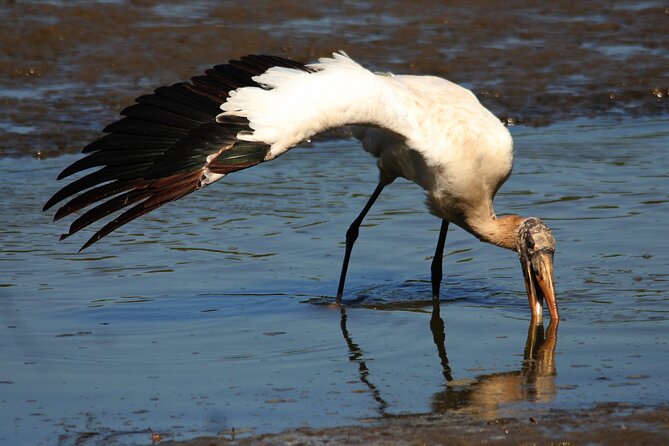
The tour is honest about what it offers: nearly 350 bird species across varied habitats. That number signals diversity, not a guarantee of one specific set of birds.
So how should you think about your day?
- Think habitat first, species second. If you’re in mangroves and river wetlands at the right times, bird variety tends to rise.
- Expect some “small wins.” Sometimes the best moments are the birds you identify well by behavior and call, not only the biggest flashy ones.
- Keep an eye on the water edges. American Crocodile is described as ever-elusive, so it’s not a sure thing. But being alert to movement on the waterline is part of why the experience feels real.
If your focus is particular birds—like macaws, buntings, or owls—this tour’s style can support those interests because guides work the habitat and use scanning tools to close distance when possible. One highlight pattern from past departures is finding birds by call quickly and then confirming visually with scopes and careful observation.
Who this Puerto Vallarta birding tour fits best
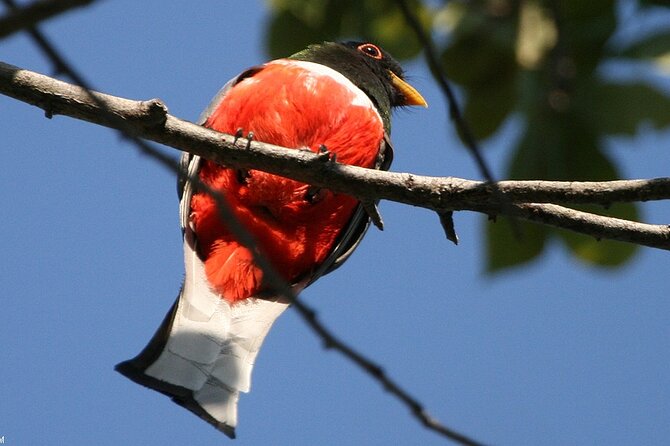
This is best for people who enjoy nature with a learning angle. You don’t need to be a hardcore birder to enjoy it, but you will get more from it if you like asking questions and recording what you see.
It’s a strong match for:
- Bird lovers who want a biologist-led style of spotting and ID
- People traveling with a small group vibe (max 8 makes it feel personal)
- Visitors who want a morning outdoors plan without organizing transport themselves
It may not be the best match if:
- You have knee or mobility limitations and walking for hours is hard
- You hate early starts and long time outside
- You expect lunch to be covered (it isn’t)
Kids can join too, but with conditions: the minimum age is 8, and children must be with an adult.
Booking this bird paradise: should you go
Yes, I’d book it if you want a structured morning outdoors experience in Puerto Vallarta that’s built around real bird habitats—mangroves, wetlands, and the Ameca River system. The big value is the guide approach: identification support, patience with questions, and tools like scopes that help you see more than you would on your own.
Do you need to be ready for early morning and walking? Definitely. Do you need to accept that the American Crocodile is not guaranteed? Also yes. But if you’re okay with nature being nature, the odds are good you’ll leave with a longer bird list than you expected and a better understanding of how birds move through these ecosystems.
If your travel dates are tight, keep one practical thing in mind: the trip can be canceled due to weather or if the minimum participant number isn’t met, so have a backup plan for that day.
FAQ
What time does the birding tour start?
It starts at 6:45am.
How long is the tour?
The duration is about 7 hours.
Where do I meet for the tour?
You meet at Ecotours Vallarta / Dive ShopProa 20, Marina Vallarta, 48335 Puerto Vallarta, Jal., Mexico.
Is the tour offered in English?
Yes, it’s offered in English.
What’s included in the price?
Included are bottled water, snacks, coffee and/or tea, a driver/guide, a biologist professional guide, and transport by air-conditioned van.
Is lunch included?
No, lunch isn’t included.
How big is the group, and what’s the age limit?
The group has a maximum of 8 travelers. The minimum age is 8, and children must be accompanied by an adult.
Is this tour suitable if I have knee problems?
No. It’s not recommended for travelers with knee problems.
What happens if the tour can’t run due to weather or low participants?
If it’s canceled due to poor weather, you’ll be offered a different date or a full refund. If it’s canceled because the minimum number of travelers isn’t met, you’ll also be offered a different date/experience or a full refund.
More From the Vallarta Review Desk
The Wild Side of the Bay
New on the Malecon: Reviews Just Added
- Puerto Vallarta: Mayahuel Show & Tequila Tasting.
★ 4.7 · 4 reviews - Puerto Vallarta’s Historic Mexican Village Tour: El Tuito
★ 4.5 · 5 reviews - From Puerto Vallarta: Jungle Mountain Bike Tour
★ 4.2 · 5 reviews - Jet Ski Jet Ski Rental in Puerto Vallarta
★ 4.0 · 5 reviews - Puerto Vallarta RZR Tour to the Sierra
★ 4.0 · 5 reviews - Jungle HorseBack Adventure to Las Palmas Waterfall All Included
★ 3.5 · 5 reviews
Banderas Bay Wildlife & Turtle Releases, compared.
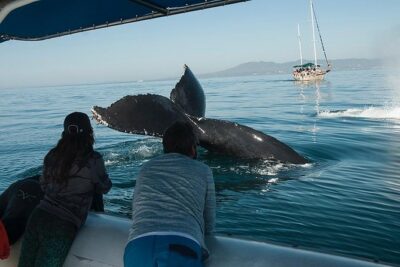 ★ 5.0Whale and Dolphin Watching with a Biologist in Puerto VallartaFrom $105666 reviews
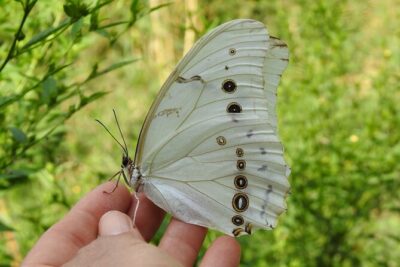 ★ 5.0Butterfly Sanctuary & Museum Guided Tour in Puerto VallartaFrom $28422 reviews
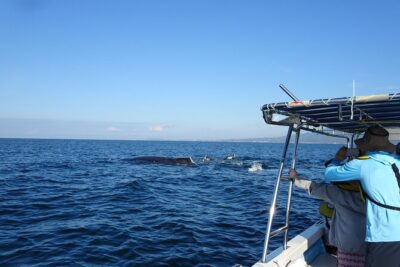 ★ 5.0Whale Watching Adventure – Led by a Marine Biologist176 reviews
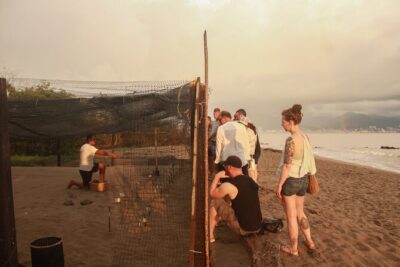 ★ 5.0Release of Sea Turtles in Camp TortugueroFrom $41124 reviews
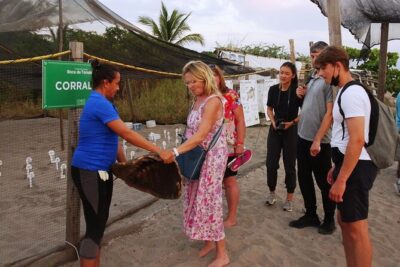 ★ 5.0Sea Turtle Release – A Puerto Vallarta Conservation Adventure120 reviews
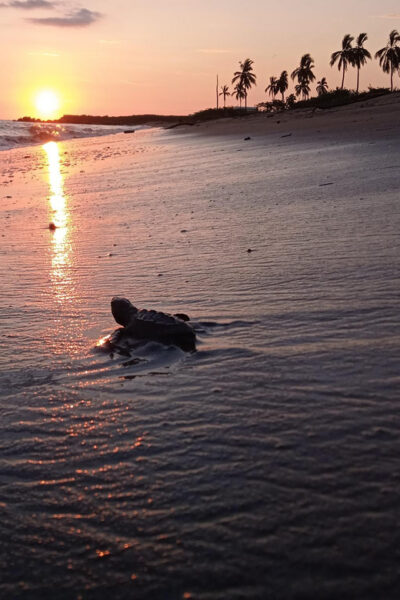 ★ 4.8Baby Turtle Release in Conservation AreaFrom $40110 reviews
 ★ 4.5Butterflies, City tour, tequila, and beach (kids free)From $23104 reviews
 ★ 5.0Butterfly Sanctuary, Museum & Lunch with TransportFrom $11928 reviews
Browse the lists this tour appears in