
Reviewed · BANDERAS BAY WHALE & DOLPHIN WATCHING
Whale and Dolphin Watching with a Biologist in Puerto Vallarta
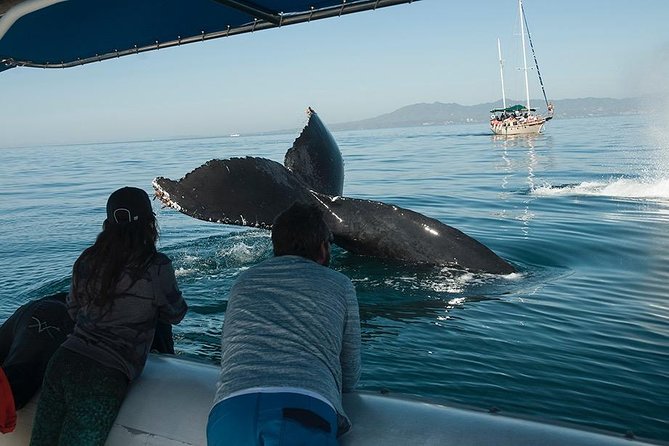
Humpback whales sing right offshore in Puerto Vallarta. This 4-hour biologist-led trip mixes real marine research with classic whale watching, so you’re not just spotting animals—you’re learning how they live and how your participation supports conservation. I particularly like the citizen science angle, plus the chance to hear whales through a hydrophone when conditions are right.
My other favorite part is the small-group feel (this tour caps at 20 people), which helps the crew position the boat for better views and calmer viewing. The one drawback to plan around: there’s no bathroom on board, so bring what you need before you leave the marina.
In This Review
- Key highlights at a glance
- Why this Puerto Vallarta whale trip feels different
- First stop: Opequimar and the pre-cruise setup
- How the captain and biologist hunt whales in real time
- What to expect in the order of events
- The winter stars: humpbacks up close, with baby-calf moments
- Dolphins, mantas, turtles, and the fun bonus species
- The citizen science part: why your spot on the boat matters
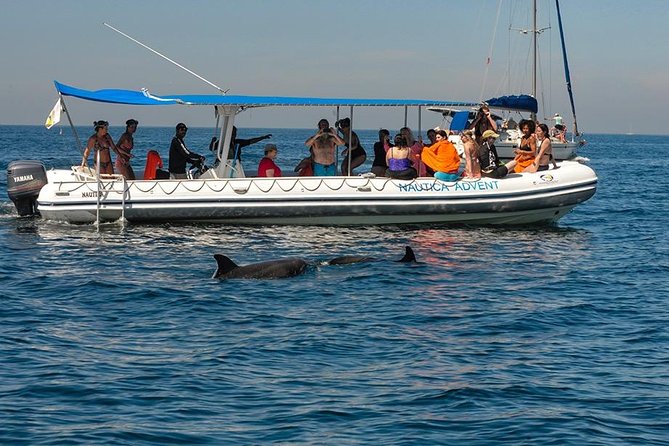
- Boat comfort: what “small” really means for you
- Food, sound, and the moments you’ll remember
- A smart photo tip
- Value check: is $105 worth it?
- Who should book this tour, and who should pass
- Weather and timing: your best planning move
- Should you book this whale and dolphin tour?
- FAQ
- What animals can I expect to see on this tour?
- How long is the whale and dolphin watching experience?
- What language is the tour offered in?
- What is the meeting point?
- How many people are on the tour?
- Is free cancellation available?
Key highlights at a glance
- Biologists with marine ecology training lead the trip and explain whale behavior as you’re seeing it
- Citizen science built into the experience, so your on-the-water participation helps the research
- Humpbacks in winter are the star, with chances for dolphins, turtles, and giant mantas
- Hydrophone whale songs can be shared underwater, if you’re lucky with timing and conditions
- Small group size (max 20) tends to mean more viewing space and less crowding on the boat
- Money-back style guarantee is mentioned if they can’t find the animals
Why this Puerto Vallarta whale trip feels different
Puerto Vallarta’s whale season is one of those rare nature events where you get both spectacle and education in the same afternoon. Winter brings humpback whales into the bay as they mate and give birth, and this tour is built around being there when those moments are happening. You’ll also have a realistic shot at dolphins, turtles, and giant mantas, since the team is watching the whole ecosystem, not only one species.
What makes this outing stand out is the human ingredient. The guide isn’t just reading facts off a sign. You’re out with a cetacean specialist—often a marine biologist such as Jema/Gemma or Camilla/Camila in the past—who ties what you see to behavior: how whales communicate, how mothers interact with calves, and why dolphins show up when they do. And there’s a research component where your participation supports ongoing work to protect these animals.
One more thing I like: they keep the experience grounded in what nature actually does. Whales don’t follow a sightseeing schedule, so the route and timing can flex based on where animals surface. That unpredictability is part of the point—and usually it leads to better animal encounters.
The humpbacks winter here, more ways to meet them
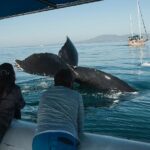
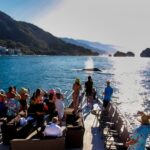
First stop: Opequimar and the pre-cruise setup
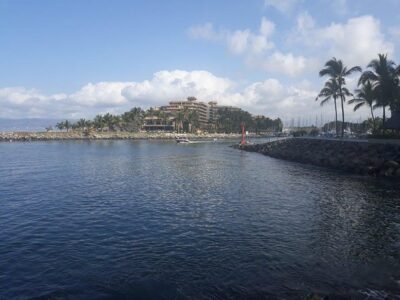
You meet at Opequimar Centro Marino, Av. Paseo de la Marina Sur 214, Marina Vallarta. It’s not a complicated maze of transfers—this is a straightforward marina start, and the activity ends back at the same spot.
Before you head out, there’s usually some kind of pre-cruise education session. In the experiences shared, you might get a quick intro on what to look for and how whale behavior can show up at the surface. One passenger described touching whale baleen and seeing how the whale vertebrae are sized, which is a perfect example of how this tour tries to make the biology feel real, not abstract.
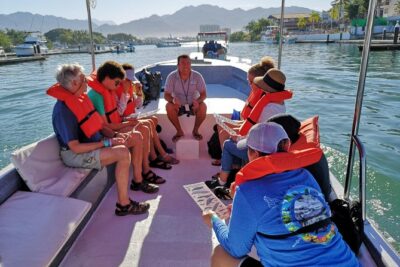
This is also when you get your bearings. The crew typically handles life jackets and safety checks right away, and because the day is short (about 4 hours), the faster you understand what you’re looking at, the more you’ll enjoy every later surface—breaches, tail slaps, mother-calf moments, and dolphin antics.
How the captain and biologist hunt whales in real time
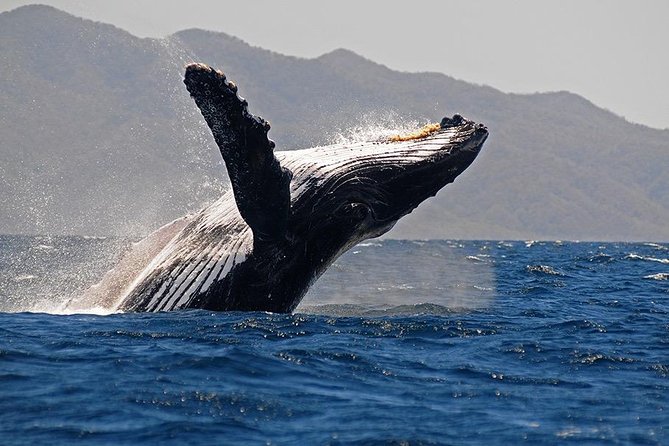
On the water, the trip follows a simple but effective rhythm: locate active whales, get into position for viewing while keeping appropriate distance, then stay in that zone long enough for behavior to unfold. In the experiences described, whales were spotted quickly—sometimes within about 15 to 20 minutes of launching—then the boat stayed with the action long enough to watch multiple moments, not just one quick sighting.
This is where having a teamed-up guide matters. A marine biologist like Jama/Jemma may explain what you’re seeing while you’re seeing it, including how mothers teach calves and how male whales can compete during breeding activity. You also might hear whale sounds when the crew uses a hydrophone, which can make the whole experience feel more three-dimensional. The sound detail is a standout for many people because it connects surface behavior with underwater communication.
And the captain’s role is just as practical. Captains such as Jorge and Caesar/Cesar have been mentioned as skilled at putting the boat in the right viewing spot—close enough for strong viewing and photos, but far enough to respect the animals. You’ll feel the difference when the boat doesn’t bounce around randomly; it positions for the whales’ next surfacing moment.
What to expect in the order of events
While each day changes, here’s the pattern you can generally count on:
- You head out from Marina Vallarta and watch for the first active whales
- You spend time with a cluster of whales that are visibly feeding, resting, or performing
- Then you shift to another area where behavior differs—often mother and calf activity
- After that, the team looks for dolphins and other wildlife like mantas and turtles
- You wrap up and return to the marina after roughly four hours total
A key detail: there can be a slower stretch before the action starts. On some outings, sightings build over time. If that happens, don’t panic—this is normal for whale watching, and the guide’s job is to keep searching intelligently.
The winter stars: humpbacks up close, with baby-calf moments
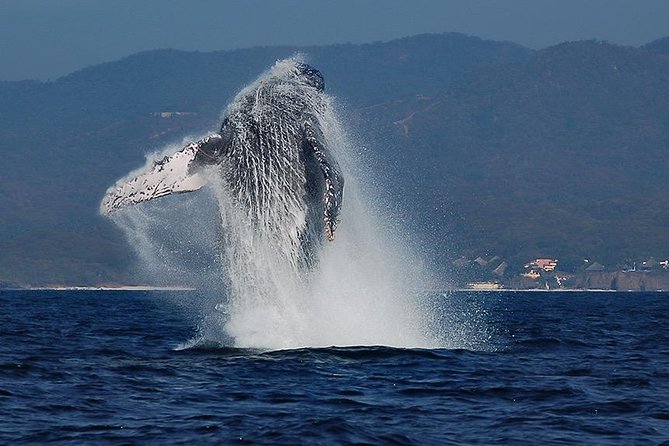
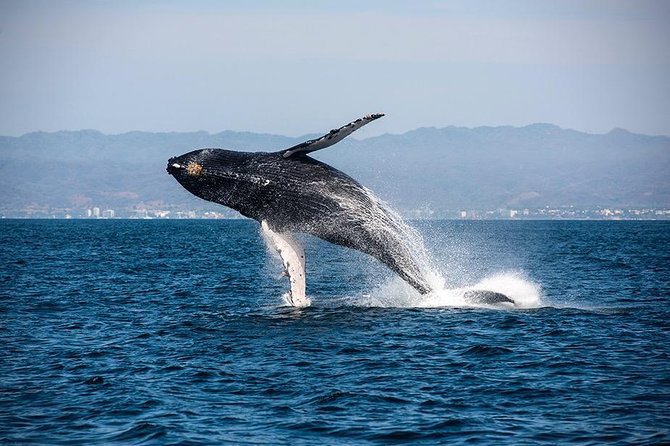
Humpbacks are the headline here, and for good reason. In the winter season, they’re in the area for mating and giving birth, so the bay can fill with whales showing different behaviors that look very different from one another. You might see:
- Males involved in competitive behavior
- Mothers with calves—often with schooling-like patterns of surfacing and communication
- Calves playing and breaching near adults
Multiple experiences highlighted baby whales and mother-calf teaching moments, including surface behaviors like breaching and tail slapping. When a calf is present, it often becomes the emotional center of the day—partly because it’s smaller and more active, and partly because mothers can seem more “focused” in how they move and respond.
One reason this tour is so popular during whale season is that “up close” here isn’t just marketing. Small boats help you see the surface details clearly—like the shape of flukes, the timing between blows, and the way a whale rolls before it surfaces. With humpbacks, tiny differences in posture can tell you what they’re about to do next.
Hatchlings at sunset and other wild encounters
- Butterfly Sanctuary & Museum Guided Tour in Puerto Vallarta★ 5.0 · 422 reviews
- Whale Watching Adventure – Led by a Marine Biologist★ 5.0 · 176 reviews
- Release of Sea Turtles in Camp Tortuguero★ 5.0 · 124 reviews
- Sea Turtle Release – A Puerto Vallarta Conservation Adventure★ 5.0 · 120 reviews
- Puerto Vallarta: Baby Turtle Release in Conservation Area★ 4.8 · 110 reviews
Dolphins, mantas, turtles, and the fun bonus species
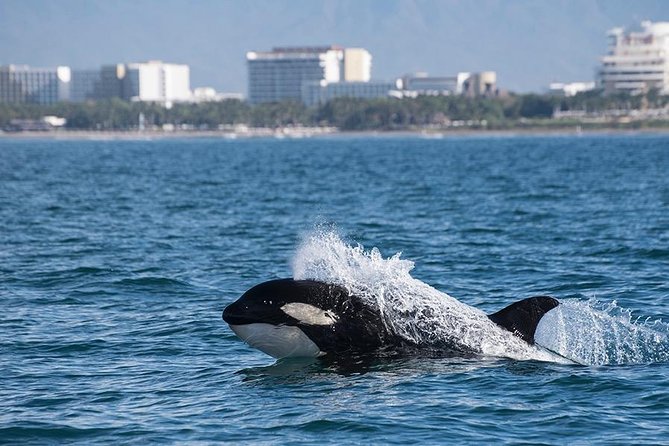
This is more than just whales. The tour specifically describes the possibility of multiple dolphin types during the winter window. Depending on the day, you might see:
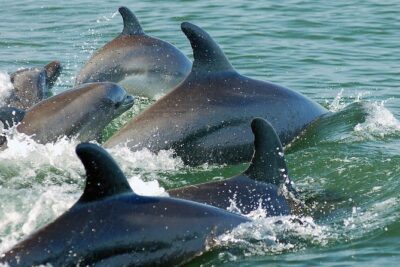
- Bottlenose dolphins
- Spotted dolphins
- Spinner dolphins
- Rough-toothed dolphins
There’s also mention of a chance of Orcas or false orcas. Even when orcas don’t show up, dolphin viewing can still be the high-energy break from slower whale moments. Dolphins often move fast and travel together in pods, which makes them great for quick, sharp observation and photos.
Then there are the “sidebar” animals that turn a good day into a memorable one:
- Giant mantas
- Marine turtles
- Sea birds sometimes appear in the wider scene
In some experiences, mantas and turtles showed up as add-ons that made the trip feel like more than a single-species outing. When you see a manta, for example, you get to shift from the blow-and-breach rhythm of whales to a slower, graceful underwater presence that’s easy to miss unless you’re watching carefully.
The citizen science part: why your spot on the boat matters
This trip isn’t framed as volunteer work where you just follow instructions. The concept is that your participation on the water supports the research and conservation effort. The tour materials also describe that the guide and team share their programs and give you a chance to take part, which is exactly what you want from a “citizen science” experience.
Even if you’re not doing lab work, being part of the on-water observation helps scientists answer the questions that matter:
- where whales show up in the bay
- what behaviors they’re displaying
- how whales and dolphins move through space and time during the season
The experiences shared also mention that the team is invested enough to include a money-back style guarantee if they can’t find the animals. That’s not a guarantee you should treat like a trick. It’s still nature out there, weather changes everything, and whales don’t come on command. But it does tell you this isn’t a bare-bones checklist tour—they’re trying hard to match guests with wildlife, and the research angle gives that effort a purpose.
Boat comfort: what “small” really means for you
A lot of whale watching is about boat size because size affects comfort and viewing. Here, the tour caps at 20 travelers, and several experiences describe groups around a dozen to the mid-teens on a smaller vessel. In practice, that helps you:
- move for better angles
- avoid crowding at the rail
- hear the guide more easily during explanations
Many descriptions mention a covered boat, which is a big deal when you’re riding for hours. Sun and wind can wear you down fast on the water, and shade can mean you’re still sharp for the later whale sightings, not just the first hour.
Safety gear is part of the routine. You’ll get life jackets and basic safety guidance before departure. And if you’re sensitive to motion, this is still open water on a small boat, so it’s smart to prepare for choppy moments.
One practical drawback worth repeating: there’s no bathroom on board. Plan on a quick stop before you meet, and keep that in mind if you’re traveling with kids.
Food, sound, and the moments you’ll remember
You’ll spend real time out with the animals, not just cruise past them. One shared detail: sandwiches and soft drinks are part of the trip flow. That matters because it keeps the day from turning into an empty stomach slog, and it lets the crew stay where the animals are longer.
For me, the stand-out “wow” moments tend to be linked to sound and behavior:
- Underwater whale singing when they use a hydrophone
- Breaches that happen at the right moment when you’re lined up
- Baby whale play that brings a lighter, more playful feel
- Dolphin bursts of speed that break up the slow-and-graceful pace of whales
In several descriptions, guides even helped with viewing strategy—like when to look, where to stand, and how to interpret what you’re seeing. If you want better photos, this kind of coaching can be the difference between a blurry whale and a strong fluke shot.
A smart photo tip
If you care about photos, think in sequences. Watch for surfacing patterns, then be ready for the next behavior—fluke lift, rolling, then breach. When the captain positions well and the guide tells you what’s likely next, you get more chances instead of one lucky snap.
Value check: is $105 worth it?
At $105 per person for about 4 hours, this tour costs about the same as many “tourist-only” boat rides—but it adds two big value components: (1) a biologist guide, and (2) an active research and citizen science angle.
Here’s what you’re really paying for:
- Specialist interpretation in real time (not a generic talk before you leave)
- Better odds of meaningful sightings because the team is actively searching and matching spots to behavior
- Smaller-group viewing up to 20 people, which helps you enjoy the experience, not just witness it
- Extra wildlife possibilities (dolphins, turtles, mantas), so you’re not pinning your entire day on one species
And the guide team states a 100% money-back style guarantee if they can’t find the animals. Again, I wouldn’t treat any guarantee as a reason to ignore weather or expect whales to appear on cue. But it does suggest the team is confident—and that confidence is typically built from repeated fieldwork and local expertise.
Who should book this tour, and who should pass
This is a great fit if you:
- want a nature-first outing in Puerto Vallarta, not a quick photo stop
- like learning as you go, especially about whale behavior and communication
- want a small-group experience on the water
- are visiting during the winter season when humpbacks are present
It may not be the best match if you:
- get motion sick easily (small-boat conditions can be rough)
- need onboard conveniences like a bathroom (none available)
- are traveling late in pregnancy: it’s specifically noted as not recommended after 7 months of pregnancy
Service animals are allowed, and the tour runs in English, so it’s easier to enjoy if you don’t speak Spanish. The confirmation timing is also fairly quick after you book, assuming availability.
Weather and timing: your best planning move
This is a weather-dependent activity. That matters because whales are visible only when conditions are safe enough for the boat and visibility stays decent. The good news is that winter humpbacks are already in the region, so your odds are tied to crew skill and real-time animal searching, not just luck.
If you’re flexible, you can also be smart about timing. One useful detail: the tour is often booked about 26 days in advance, which suggests people plan it as a must-do. If your trip dates line up with whale season, booking earlier can help you get the slot you want.
And once you’re on the water, remember the key mindset: whales set the pace. The best moments often come when you stop trying to force a schedule and start watching patterns.
Should you book this whale and dolphin tour?
I’d book it if you want the closest-to-real “field day” feel in Puerto Vallarta: a small boat, a marine biologist guide, and the chance to see humpbacks plus dolphins and other wildlife in the same outing. The hydrophone sound moments, mother-and-calf behavior, and the way the guide explains what’s happening all point to a trip that’s designed for actual learning, not just sightseeing.
Skip it or think twice if the lack of an onboard bathroom is a dealbreaker, if you’re sensitive to boat motion, or if pregnancy is beyond the recommended point. Also, if you’re visiting when winter whale season isn’t in sync, your expectations should shift—this tour’s magic is tied to humpback presence.
If you match those conditions, this is one of the more practical ways to spend a half day in Puerto Vallarta and walk away with stories you’ll want to repeat.
FAQ
What animals can I expect to see on this tour?
You’ll be focused on humpback whales in winter, and there’s also a chance to see dolphins, marine turtles, and giant mantas. The description also mentions a chance of Orcas or false orcas with luck.
How long is the whale and dolphin watching experience?
The duration is about 4 hours.
What language is the tour offered in?
The tour is offered in English.
What is the meeting point?
You meet at Opequimar Centro Marino, Av. Paseo de la Marina Sur 214, Marina Vallarta, 48450 Puerto Vallarta, Jal., Mexico and the tour ends back at the meeting point.
How many people are on the tour?
The tour has a maximum of 20 travelers.
Is free cancellation available?
Yes. You can cancel for a full refund up to 24 hours in advance of the experience start time. If you cancel less than 24 hours before, the amount paid isn’t refunded.
More From the Vallarta Review Desk
The Wild Side of the Bay
Whale Season on the Bay
New on the Malecon: Reviews Just Added
- Puerto Vallarta: Mayahuel Show & Tequila Tasting.
★ 4.7 · 4 reviews - Puerto Vallarta’s Historic Mexican Village Tour: El Tuito
★ 4.5 · 5 reviews - From Puerto Vallarta: Jungle Mountain Bike Tour
★ 4.2 · 5 reviews - Jet Ski Jet Ski Rental in Puerto Vallarta
★ 4.0 · 5 reviews - Puerto Vallarta RZR Tour to the Sierra
★ 4.0 · 5 reviews - Jungle HorseBack Adventure to Las Palmas Waterfall All Included
★ 3.5 · 5 reviews
Banderas Bay Whale & Dolphin Watching, compared.
 ★ 4.5Watch and Swim with Dolphins in the WildFrom $105668 reviews
 ★ 5.0Sunsets and Whales Mega Yachts ALL INCLUSIVE: Puerto VallartaFrom $80509 reviews
 ★ 5.0Whale Encounter Puerto VallartaFrom $99469 reviews
 ★ 5.0Whale Watching Cruise In Puerto Vallarta & Nuevo VallartaFrom $99398 reviews
 ★ 5.0Small-Group Half-Day Whale-Watching Tour in Puerto VallartaFrom $110334 reviews
 ★ 4.0Whale & Dolphin Watching Cruise in Puerto Vallarta All InclusiveFrom $78212 reviews
 ★ 4.5Whale Watching ExperienceFrom $89186 reviews
 ★ 5.0Whale Watching Adventure – Led by a Marine Biologist176 reviews
Browse the lists this tour appears in