
Reviewed · BANDERAS BAY WILDLIFE & TURTLE RELEASES
Puerto Vallarta: Baby Turtle Release in Conservation Area
Watching baby turtles race to sea never gets old. This Puerto Vallarta conservation outing pairs an olive ridley lesson with a real release and a bay sunset backdrop, and it’s deeply hands-on. Only catch: if no turtles hatch on your date, you’ll have the chance to reschedule or cancel.
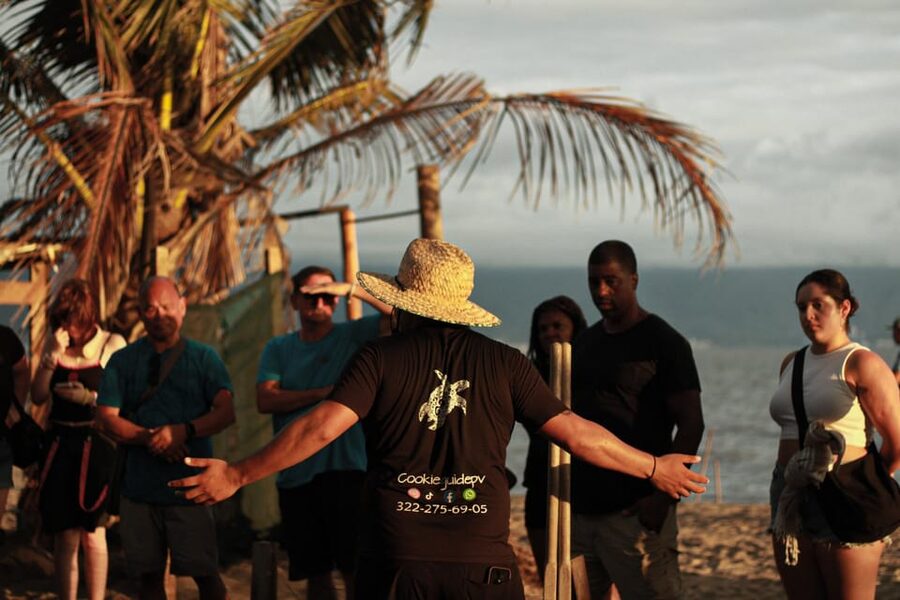
I also like how the guides break the process into clear steps, from nest-finding to egg incubation, then you’re there when the moment happens. Meeting you at Cookieguidepv, bilingual guide Eduardo (and team members like Eddie) keeps the group engaged in English and Spanish. Photos and water are included, so you can focus on the experience instead of hunting for basics.
One more practical note: this is an outdoor walk to the conservation area, so plan for sand, bugs, and sunset timing. Bring biodegradable sunscreen and insect repellent, and you’ll be a lot more comfortable as the evening cools down.
In This Review
- Key highlights you’ll care about
- A 2.5-hour turtle release that mixes education and action
- Finding Cookieguidepv and getting to the conservation area
- Campsite class: learning the olive ridley life cycle the hands-on way
- Wildlife viewing time and how to behave near the nests
- Sunset hatch watch and the baby turtle release into the ocean
- Price and value: what $40 really buys you here
- What to bring (and what to skip) so the evening goes smoothly
- Who this fits best, and who should consider alternatives
- Should you book this Puerto Vallarta baby turtle release?
- FAQ
- FAQ
- Where is the meeting point for the turtle release tour?
- How long does the experience last?
- How much does it cost, and what’s included in the price?
- Is transportation included?
- What languages will the guide speak?
- What should I bring for the tour?
- Can children participate?
- What happens if no turtles hatch on my scheduled day?
- Are drones allowed, and can I bring alcohol?
Key highlights you’ll care about
- Olive ridley focus with real conservation context so you’re not just watching, you’re learning why the work matters
- Nest and egg collection demonstration paired with an explanation of incubation before hatching
- Bilingual guiding with Eduardo and Eddie for an easy, group-friendly experience in English and Spanish
- Sunset over the bay during hatch and release which turns the biology lesson into an emotional moment
- Photos included plus a photographer who helps you capture the experience without everyone juggling phones
A 2.5-hour turtle release that mixes education and action
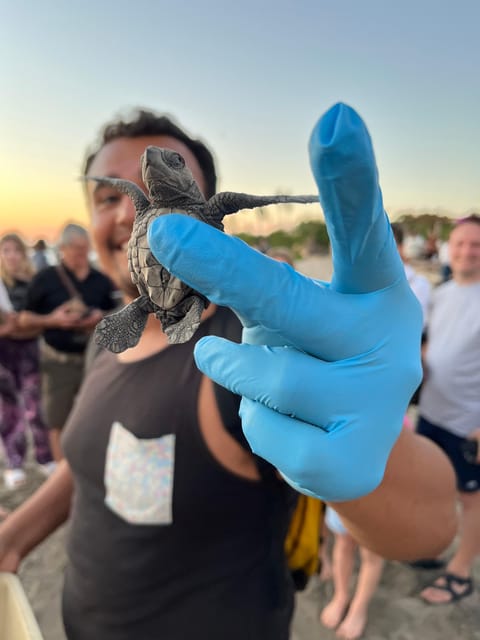
This is the kind of Puerto Vallarta activity that feels both special and practical. In about 2.5 hours, you’ll get a structured conservation lesson, then you’ll be part of the final step: releasing baby sea turtles into the ocean. The big theme here is an endangered species and the everyday work that gives hatchlings a better shot at surviving their first hours.
At $40 per person, you’re paying for more than a photo op. You’re buying time with conservation workers, a demonstration of how nests and eggs are handled, and the guided release experience itself. That’s why it tends to land well with families, biology-curious travelers, and anyone who wants their vacation to support something real rather than just consume another attraction.
Hatchlings at sunset and other wild encounters
Finding Cookieguidepv and getting to the conservation area
The meeting point is at Cookieguidepv (local guide & nature experiences), right by the end of Paseo Bocanegra street. The easiest route is through the Marina Vallarta area: take Albatros street until you cross Paseo Bocanegra street, then go straight ahead to the end.
You should see a golf course, a wall with drawings, and the beach at the finish line. If you arrive early, do not wander off on your own. Wait at the meeting point and let the team guide you from there. This matters because the walk to the conservation camp is part of the program, and you don’t want to show up in the wrong place or at the wrong time.
From the meeting point, expect a 15-minute walk on foot to reach the campsite/conservation area. It’s not a long trek, but it’s real walking, in sand and outdoors, timed around the day’s turtle activity.
Campsite class: learning the olive ridley life cycle the hands-on way
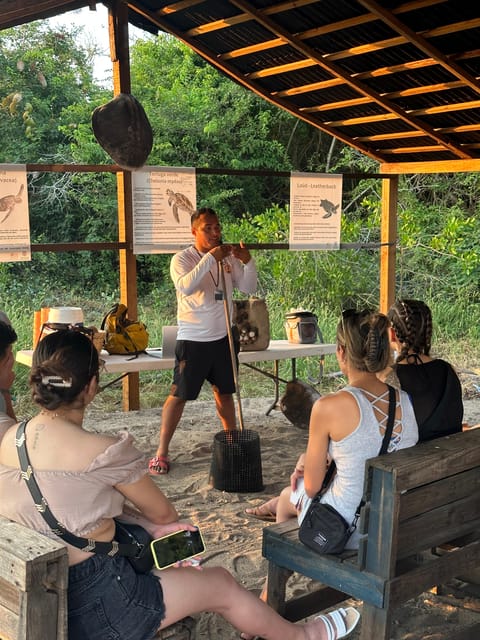
Once you arrive, you’ll settle into the main teaching portion for about 45 minutes. This isn’t a lecture that tries to sound scientific for its own sake. It’s focused on what the conservation team does and what the sea turtles need, especially the olive ridley sea turtle.
You’ll learn about the turtle life cycle in the context of what your group is actually going to witness later: eggs, incubation, and hatching. You’ll also hear how conservation workers search for nests and collect eggs in the natural nesting area, and how those eggs are incubated to prepare for hatching.
What I like about this part is that it turns the release into something meaningful. When you understand what’s happening to the eggs before they hatch, the moment on the shoreline isn’t just cute. It’s a real conservation outcome that depends on careful handling and timing.
Wildlife viewing time and how to behave near the nests
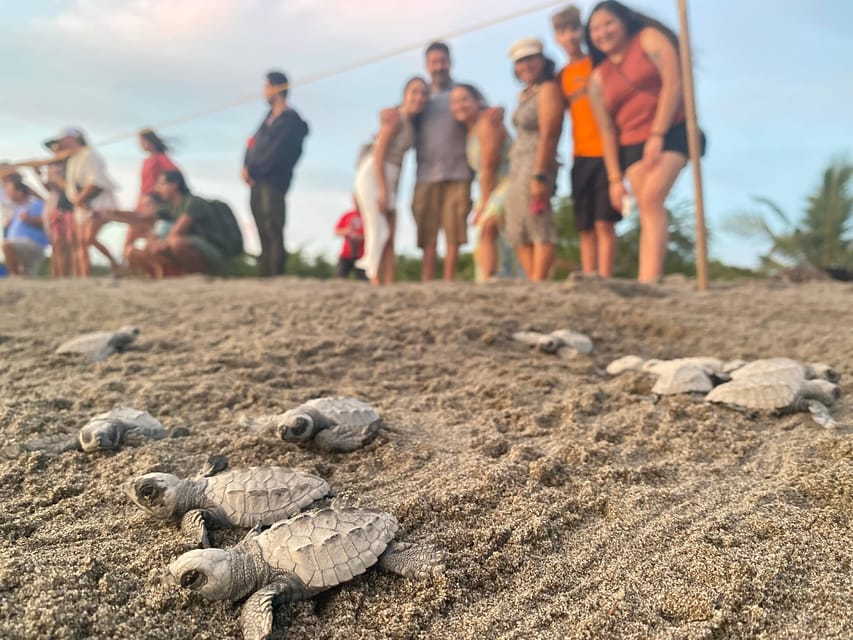
After the class, you get about 20 minutes of wildlife viewing. This is the moment to slow down and watch what the team points out. You’re in a conservation area, so keep your voice down, follow the guide’s directions, and resist the urge to crowd.
Even if you’re not spotting turtles right away, this segment is still valuable. It gives you a better read on the environment the turtles rely on, and it helps you understand why nest protection is such a high-stakes job.
A good rule for this kind of activity: do what the guide asks the group to do, then look. When you try to do it all at once, you usually end up with tangled footing and missed signals from the conservation team.
Sunset hatch watch and the baby turtle release into the ocean
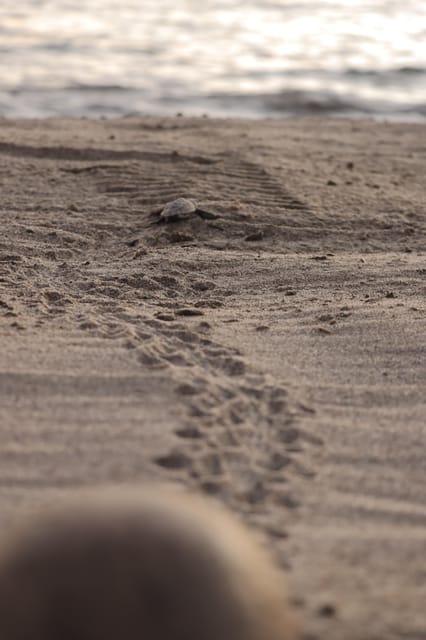
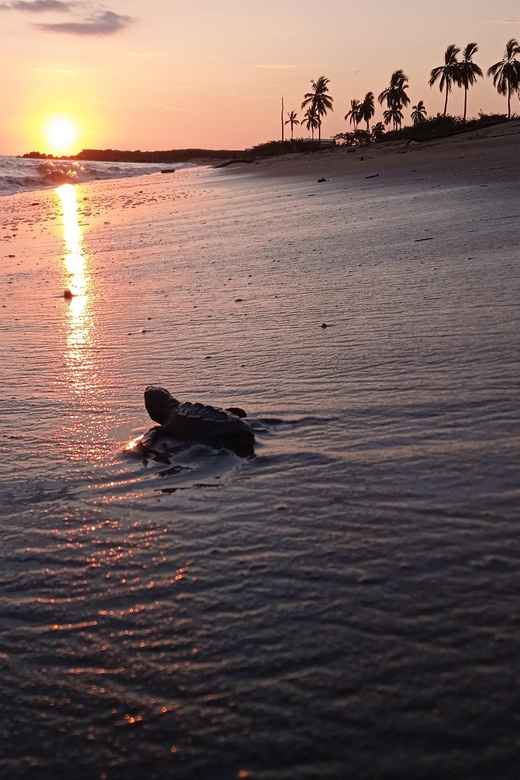
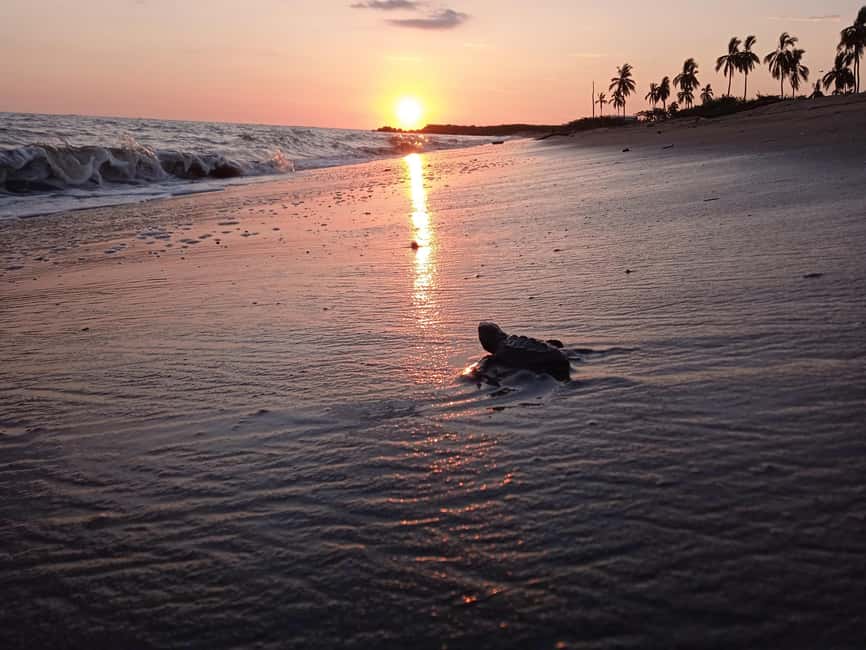
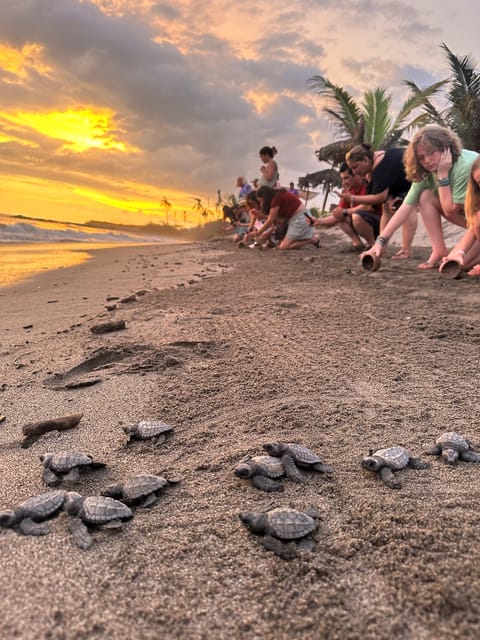
The late part of the experience is where it becomes unforgettable. You’ll get picturesque bay views as the sun sets, and the day’s plan centers on a natural spectacle: baby turtles hatch and make their way toward the ocean.
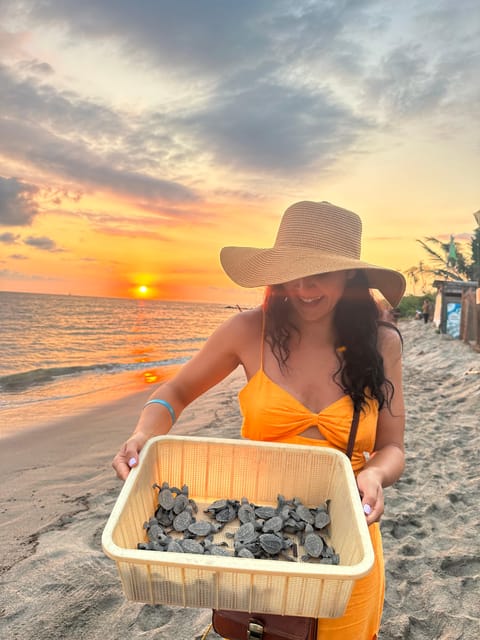
If the turtles hatch on your reservation day, you’ll likely see that process in real time. The guides set expectations clearly: the release works best when the hatchlings are ready, and they’ll guide you through the safety and timing. Then comes the emotional payoff, where participants get to help with the release of endangered baby sea turtles.
Many participants also mention a naming moment and a wish or prayer for each turtle before release. Even if you keep it simple, it’s a gentle way to recognize that the tiny hatchlings are not props. They’re part of a fragile survival story.
Photos are part of the experience too. You’re getting help capturing it without having to keep your phone out during the key moments. A few people note that there’s a photographer and you’ll receive a link; some mention small extras depending on what you want to keep or download. Either way, plan to expect photos as part of the value, not as a surprise cost at the end.
- Puerto Vallarta Best Zipline Canopy + Tequila and Speed Boat Ride★ 5.0 · 3,786 reviews
- Winner 2025 Downtown Vallarta Food Tour with Vallarta Food Tours★ 5.0 · 3,738 reviews
- Extreme Adventure, Wildest Bridge, ATV & Ziplines★ 5.0 · 3,179 reviews
- Mega Yacht ALL INCLUSIVE Yelapa Waterfall & Snorkeling Adventure★ 5.0 · 2,515 reviews
- Food & Mixology Tour:Tequila,Tacos, Mezcal and Agave Cocktails★ 5.0 · 1,884 reviews
Price and value: what $40 really buys you here
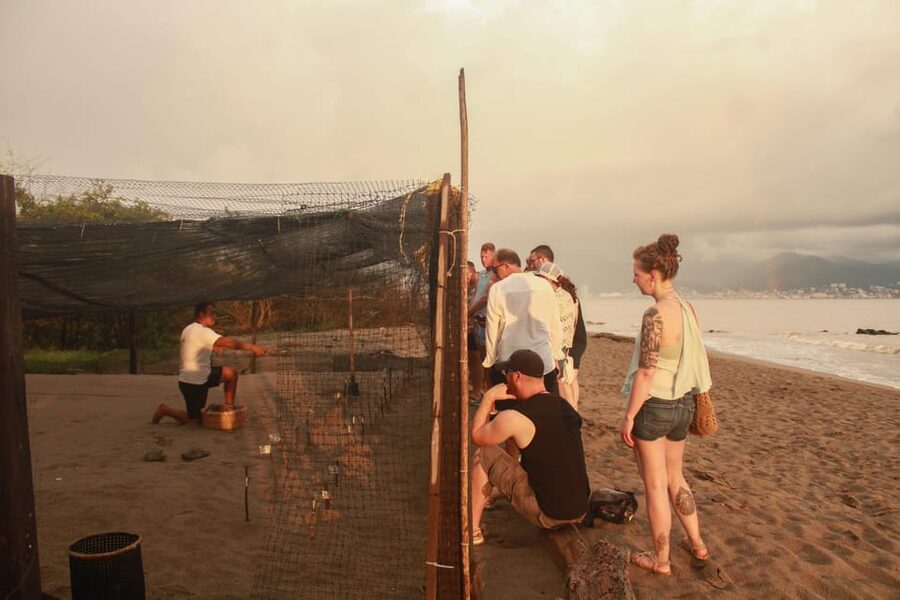
Let’s talk about money in a way that’s actually useful. $40 can sound like a lot until you break down what’s included:
- A live, bilingual guide (English and Spanish)
- A conservation-focused turtle release experience
- A demonstration of nest and egg collection
- Water
- Photos (captured by a photographer)
That’s a lot of structured time for a short tour, and it’s tied directly to conservation work rather than just entertainment. You’re paying for access to the conservation site, guided instruction, and participation in the release under supervision.
You can also think about value in terms of how the experience changes you. The educational portion gives you a framework for what you’re seeing, and the release adds emotional weight. If you’re the type of person who remembers details months later, this is the kind of activity that tends to stick.
What to bring (and what to skip) so the evening goes smoothly
This is a practical outdoor outing. Pack to match the setting:
Bring:
- Biodegradable sunscreen
- Comfortable clothes
- Insect repellent
Not allowed:
- Drones
- Alcohol and drugs
Weather can be a factor in Puerto Vallarta. One group noted stormy conditions but said rain gear was provided and the weather passed enough to still enjoy the sunset and hatch watch. So layer smart, wear clothes you don’t mind getting a little sandy, and keep your repellent handy because insects do not care about your turtle dreams.
If you have respiratory concerns or you’re sensitive to animal-related allergens, take the suitability notes seriously (more on that next). This tour is outdoors and active enough that it’s not just standing around politely.
Who this fits best, and who should consider alternatives
This activity is listed as not suitable for several groups, including:
- Children under 5
- People with mobility impairments or wheelchair users
- People with respiratory issues
- People with animal allergies
- People with high blood pressure
- People with low level of fitness
That’s not meant to scare you off. It’s a heads-up that you’ll be walking and spending time outside near wildlife and in low-comfort settings. If you know you’ll struggle with that, pick a different conservation experience that better matches your needs.
For families, there’s one clear detail: children under 5 do not have to pay, but they can only observe the release without participating. If you’re traveling with young kids, it’s worth planning the visit around observation rather than hands-on participation.
This is also a good fit if you like your activities to be about learning and doing something constructive, not just taking in a view. You’ll get both: education during the class and a sunset-driven release moment.
Should you book this Puerto Vallarta baby turtle release?
Book it if you want a memorable Puerto Vallarta experience with real conservation substance. The strongest reason to say yes is the blend: nest and egg education on the way in, then the chance to see hatchlings and help with the release at sunset. If that’s your kind of meaningful travel, you’ll likely feel glad you chose it.
You should also book earlier in your trip if you can. Since hatch success on your exact date isn’t guaranteed, having extra days gives you flexibility to reschedule if needed. That small planning move protects you from disappointment.
Skip (or choose carefully) if you fall into the not-suitable categories listed, if walking outdoors won’t work for you, or if animal allergies or respiratory concerns are an issue. Even a great cause can’t justify discomfort that ruins the experience for you.
FAQ
FAQ
Where is the meeting point for the turtle release tour?
You meet at Cookieguidepv (local guide & nature experiences) at the end of Paseo Bocanegra street. Access is easiest through the Marina Vallarta area via Albatros street, then crossing Paseo Bocanegra street and going straight to the end where you’ll see a golf course, a wall with drawings, and the beach. If you arrive early, wait there and don’t walk to the campground alone.
How long does the experience last?
The duration is 2.5 hours.
How much does it cost, and what’s included in the price?
The price is $40 per person. What’s included: a guide, the turtle release experience, a demonstration of nest and egg collection, water, and photos.
Is transportation included?
No. Transportation is not included.
What languages will the guide speak?
The live tour guide is available in English and Spanish.
What should I bring for the tour?
Bring biodegradable sunscreen, comfortable clothes, and insect repellent.
Can children participate?
Children under 5 do not have to pay, but they can only observe the turtle release without participating. The tour is listed as not suitable for children under 5 years old.
What happens if no turtles hatch on my scheduled day?
If no turtles hatch on your reservation date, you can reschedule or cancel.
Are drones allowed, and can I bring alcohol?
Drones are not allowed. Alcohol and drugs are also not allowed.
More From the Vallarta Review Desk
The Wild Side of the Bay
New on the Malecon: Reviews Just Added
- Puerto Vallarta: Mayahuel Show & Tequila Tasting.
★ 4.7 · 4 reviews - Puerto Vallarta’s Historic Mexican Village Tour: El Tuito
★ 4.5 · 5 reviews - From Puerto Vallarta: Jungle Mountain Bike Tour
★ 4.2 · 5 reviews - Jet Ski Jet Ski Rental in Puerto Vallarta
★ 4.0 · 5 reviews - Puerto Vallarta RZR Tour to the Sierra
★ 4.0 · 5 reviews - Jungle HorseBack Adventure to Las Palmas Waterfall All Included
★ 3.5 · 5 reviews
Banderas Bay Wildlife & Turtle Releases, compared.
 ★ 5.0Whale and Dolphin Watching with a Biologist in Puerto VallartaFrom $105666 reviews
 ★ 5.0Butterfly Sanctuary & Museum Guided Tour in Puerto VallartaFrom $28422 reviews
 ★ 5.0Whale Watching Adventure – Led by a Marine Biologist176 reviews
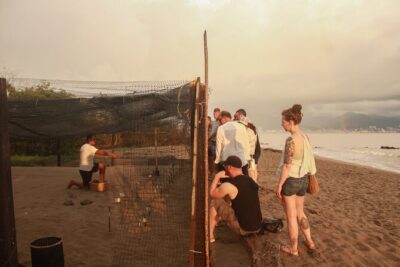 ★ 5.0Release of Sea Turtles in Camp TortugueroFrom $41124 reviews
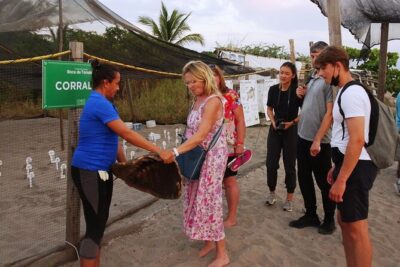 ★ 5.0Sea Turtle Release – A Puerto Vallarta Conservation Adventure120 reviews
 ★ 4.5Butterflies, City tour, tequila, and beach (kids free)From $23104 reviews
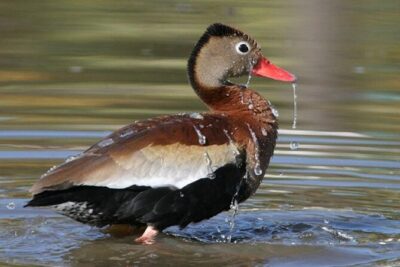 ★ 5.0Desembocada and Ameca River Bird Paradise (Wetland and Tropical birds in PV)83 reviews
 ★ 5.0Butterfly Sanctuary, Museum & Lunch with TransportFrom $11928 reviews
Browse the lists this tour appears in