
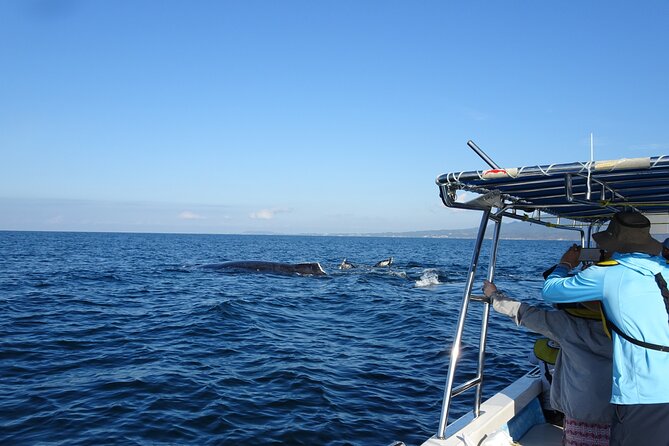
Reviewed · BANDERAS BAY WHALE & DOLPHIN WATCHING
Whale Watching Adventure – Led by a Marine Biologist
Whale calls start before you hit the water. This Puerto Vallarta outing is guided by marine biologists, with a classroom-style lesson that sets you up to spot real whale behavior instead of just hoping for a glimpse. You also get a small-group setup, so the staff can answer questions as you go.
I especially like the hydrophone part. You don’t just look for whales, you listen for humpback calls through underwater audio, which makes the whole morning feel more scientific and more magical at the same time. One thing to keep in mind: the experience depends on water conditions, and if the bay is bumpy, you’ll want to be ready for motion sickness.
In This Review
- Key takeaways
- A biologist-led start at Ecotours Vallarta
- Hydrophone magic: hearing humpbacks, not just seeing them
- The boat time in Marina Vallarta: small group + active spotting
- What you’re most likely to see: moms, calves, and male behavior
- More than whales: dolphins, sea turtles, and even rare extras
- Comfort and onboard basics that you’ll actually care about
- Price and value: what you get versus what you pay extra
- Who this whale watch suits best in Puerto Vallarta
- Weather, timing, and realistic expectations for your morning
- Should you book the Whale Watching Adventure with a marine biologist?
- FAQ
- What time does the whale watching tour start, and where do I meet?
- How long is the experience?
- Is the tour led by a marine biologist, and is there a lecture?
- What’s included for food and drinks, and is alcohol provided?
- Are there any child age rules?
- What happens if weather is poor or the tour is canceled?
Key takeaways
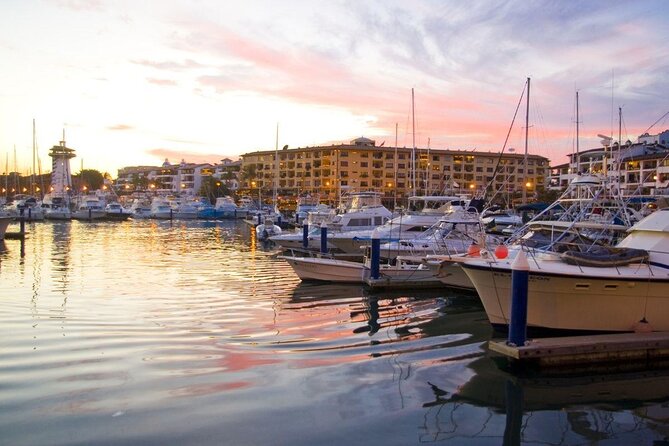
- Marine biologist-led pre-boat talk that explains humpback biology, ecology, and behavior in plain language
- Hydrophone whale listening so you can hear whale sounds during the watch
- Small groups (max 14) for more time with your guide and easier spotting
- Focused search by the captain who steers you to where the action is, not just where the crowd is
- Family-friendly comforts like coffee/tea, water refills, light bites, and a restroom onboard
A biologist-led start at Ecotours Vallarta
The morning begins with a short, focused briefing at Ecotours Vallarta, right in Marina Vallarta. Plan on an early start time of 8:30 am, and give yourself a few minutes to get oriented so you’re not rushing when the group meets.
This first session is about humpback whales: where they live in the broader sense, how they behave, and what to look for once you’re on the water. The format is more than a quick talk. You’ll get a lecture/video-style presentation before you board, which matters because humpbacks don’t put on one simple show. You’re looking for patterns: where they surface, what they do with their bodies, and how different whales act around calves and mating groups.
I like that this setup helps you translate what you see. Instead of staring at water hoping something happens, you’re guided to notice the “why” behind behaviors like breaching, slapping, and repeated surface intervals.
The humpbacks winter here, more ways to meet them
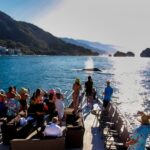
Hydrophone magic: hearing humpbacks, not just seeing them
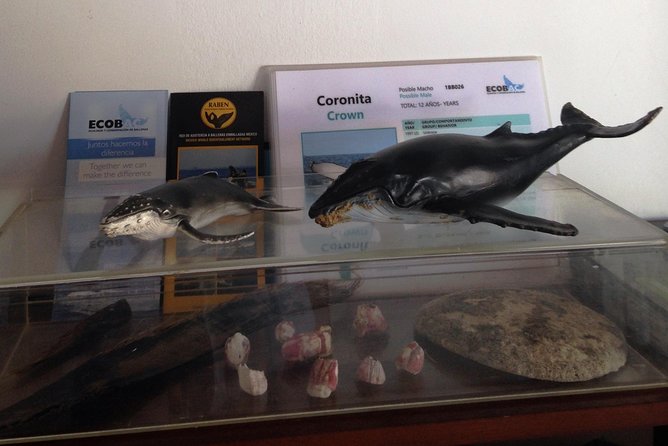
The standout “wow” feature here is the hydrophone system. It’s designed to pick up marine mammal sounds underwater, and the big target is humpbacks—especially the male vocal activity people describe as whale singing.
On calm moments, the hydrophone can make the whale calls feel close even when the whale is at a distance. Some people also report that the calls can be audible without the hydrophone at times, which tells you how strong the signals can be on a clear, still morning.
What I find practical about the hydrophone is that it changes how you experience the watch. You stop waiting only for a visual breach. You can respond to sound cues: if you hear activity, you shift your attention to the horizon and you start “reading” the water surface more confidently.
If you’re bringing kids or anyone who gets bored watching ships move around, the hydrophone is a built-in activity. You’re learning in real time, with your guide explaining what the sounds can mean and how the behavior fits the biology they introduced earlier.
The boat time in Marina Vallarta: small group + active spotting
After the briefing, you head to the marina for a short boarding and getting-settled window. The ride is designed around spotting, not cruising for the sake of cruising.
This tour runs with a maximum of 14 people, and feedback consistently points to a small headcount onboard. That matters. With fewer people, the captain and marine biologist can keep eyes moving across the water. You also get a better chance to hear instructions and ask questions without shouting over a crowd.
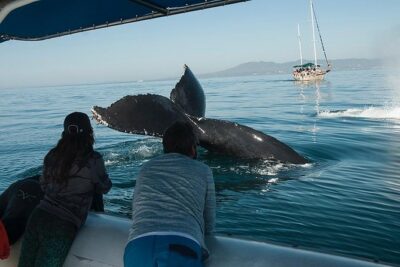
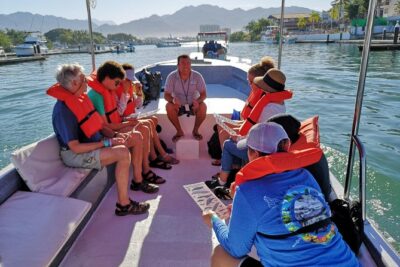
The boat setup is open on the sides with a canopy overhead for sun. Life vests are used, and the vessels are described as stable and comfortable. Some reports mention the crew moving quickly between viewing areas when whale activity is far enough to justify repositioning.
Captains named Raphael/Rafael and Martin show up in the feedback, and they’re described as actively steering to sightings. In one account, the captain noticed blow activity in the distance, then drove to the location, turned the engine off, and waited. That kind of patience often improves viewing, because whales keep their own timing.
What you’re most likely to see: moms, calves, and male behavior
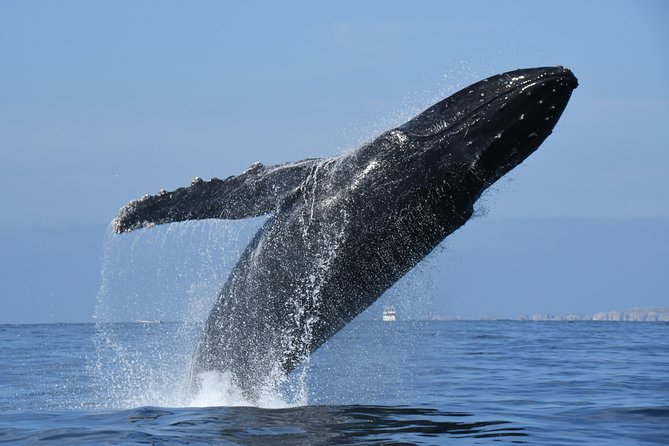
Humpback watching gets real when you recognize what kind of whales you’re seeing. This outing is built around the biology of humpbacks, so the guide is ready to connect your sightings to behavior.
One theme that repeats is seeing mothers and calves. People describe watching babies alongside mom, sometimes with close escorts and repeated surface activity. These are the kinds of moments that make the ocean feel personal, not just scenic.
Another common highlight is male behavior during mating season. In multiple accounts, guides and captains are credited for helping spot groups of males displaying and competing, with behaviors like flukes slapping and dramatic surface moments. Some people also mention adult whales breaching, plus lots of dolphin activity mixed in.
The key point for you: don’t treat every whale sighting as the same thing. The guide’s talk gives you language for what you might be seeing—whether it’s a mother-and-calf moment, an escort situation, or male performance. That turns a “we saw whales” trip into a “we understood whales” trip.
More than whales: dolphins, sea turtles, and even rare extras
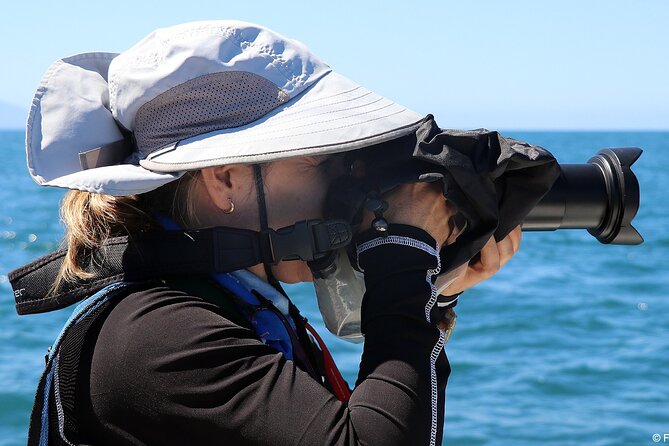
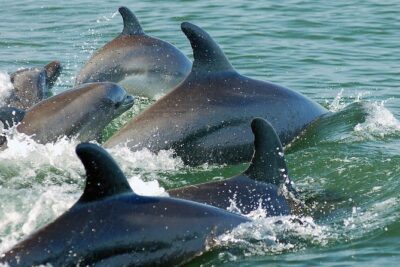
Even if you care most about humpbacks, this tour can deliver extra marine life. Many sightings include dolphins swimming alongside the whales, often in playful groups that change the mood from focused to fun.
Sea turtles also show up in the feedback, and at least one report mentions a manta ray as an unexpected bonus. Are those extras guaranteed? No. But the tour’s approach—moving to where activity is happening and keeping eyes open—gives you a better chance of more than just one species.
This is another place where the onboard marine biologist helps. When the guide can identify what you’re seeing and explain how it fits the larger picture, it feels less like random luck. You’re watching an ecosystem in action, even if the star is clearly humpbacks.
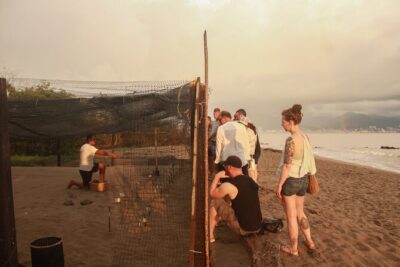
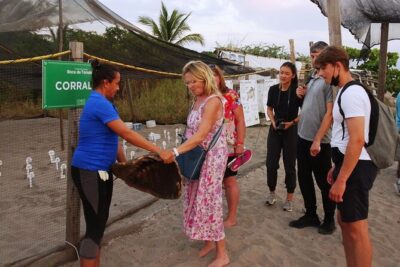
Hatchlings at sunset and other wild encounters
- Butterfly Sanctuary & Museum Guided Tour in Puerto Vallarta★ 5.0 · 422 reviews
- Whale Watching Adventure – Led by a Marine Biologist★ 5.0 · 176 reviews
- Release of Sea Turtles in Camp Tortuguero★ 5.0 · 124 reviews
- Sea Turtle Release – A Puerto Vallarta Conservation Adventure★ 5.0 · 120 reviews
- Puerto Vallarta: Baby Turtle Release in Conservation Area★ 4.8 · 110 reviews
Comfort and onboard basics that you’ll actually care about
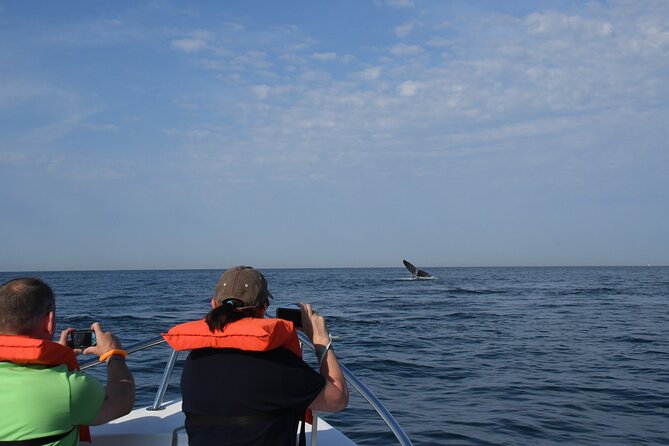
This tour isn’t about luxury, but it’s thoughtfully set up for a few hours outside. You’ll get coffee or tea, refilled water, a light bite, sodas, and granola bars. That’s a useful combo because whale-watching days can stretch your appetite, and you don’t want your energy to crash halfway through the best surface window.
Alcohol isn’t included, which I think is a good match for this kind of early marine day. You’ll likely want your head clear for spotting and for hearing the hydrophone cues.
Restroom access is listed as available on board. At the same time, one review notes no bathrooms on board, so I’d treat this as a “limited and varies” situation. Either way, the best move is simple: go before you board, then sip water steadily instead of chugging.
If you get motion sick easily, pay attention. One feedback mention describes bumpy water and nausea, with the team prepared. Still, don’t rely on luck. Bring your own nausea plan, especially if the bay is choppy that morning.
Price and value: what you get versus what you pay extra
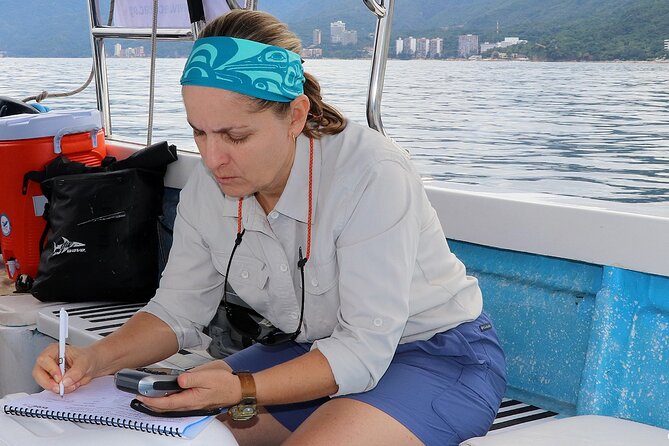
The big value here is what’s bundled. Your ticket includes the professional guide, the hydrophone system for listening to whale sounds, and the lecture about humpback whales. You also get travel insurance, plus food and drinks like coffee/tea, water refills, light bites, sodas, and granola bars.
There is an extra boarding fee listed as $5.00 per person that is not included in the main booking. So when you judge value, you should think in two parts:
1) you’re paying for a guided, education-heavy whale watch with hydrophone audio and small-group access
2) you also pay the per-person marina boarding fee on top
For many people, that’s worth it because it avoids the common “just hop on and hope” problem. Here, you’re actively learning before you ever reach the water, and you have tech for sound, not only sight.
English is the stated language, and confirmation is handled at booking time unless you’re booking within a day of travel.
Who this whale watch suits best in Puerto Vallarta
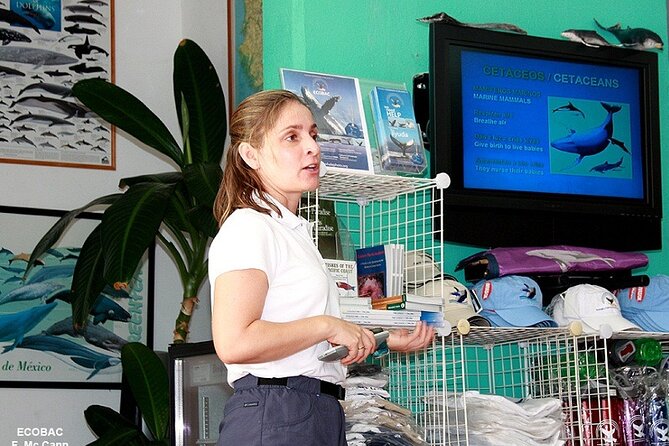
This is a great fit for couples and families who want more meaning out of whale watching, not just a checklist of sightings. The small group (max 14) makes it easier to ask questions, and the biologist-led format helps kids and adults stay engaged.
It’s also a solid choice if you’re the type who wants better “spotting skills.” The education piece gives you a framework for what to look for: mothers with calves, breaching behavior, and male displays. Even if whales don’t do something dramatic right away, you’ll understand what the guide thinks is happening.
Kids: children must be accompanied by an adult. It’s also not recommended for children aged 2 and under. Most people can participate, which suggests the activity is designed to be accessible for a wide range of travelers, as long as you’re comfortable with an open-water boat ride.
If you hate crowds, this one is likely more your speed than larger whale-watching operations.
Weather, timing, and realistic expectations for your morning
This experience requires good weather. If conditions aren’t right, the tour can be canceled and you’ll be offered a different date or a full refund. That’s important because whale watching is a nature activity, not a theater show.
Timing helps. Starting at 8:30 am puts you on the water earlier in the day, which can be ideal for spotting and for calmer conditions compared to later hours. One detail to remember: you’ll be outside with sun and wind, so dress in layers and bring sun protection.
Your success won’t be solely about luck. The captain’s job is to seek whale activity, and the guided setup means you know where to look when whales surface or when sounds indicate they’re nearby. Still, humpbacks move, and the ocean has its own schedule.
Think of it like this: the tour gives you the tools and the searching method. Nature provides the exact cast of characters that morning.
Should you book the Whale Watching Adventure with a marine biologist?
If you want a whale watch that feels educational and hands-on, this is a smart pick. The hydrophone listening adds a level most tours don’t offer, and the pre-boat lesson helps you recognize what you’re seeing—moms and calves, male behavior, flukes and slaps, and those bigger surface moments when they happen.
I’d book it if:
- you like science-style explanations during the experience
- you want a small group instead of a crowd
- you’re excited by the idea of hearing whale calls underwater, not just seeing whales at the surface
I’d reconsider if:
- you’re very sensitive to motion and you don’t have a plan for bumpy water
- you need guaranteed onboard restroom access without any variation (it’s listed as available, but at least one review reports otherwise)
- you’re expecting alcohol to be part of the experience (it isn’t included)
If you match those expectations, you’ll likely walk away with more than a photo. You’ll have a better mental map of humpback behavior and a clearer idea of what made your morning special.
FAQ
What time does the whale watching tour start, and where do I meet?
The tour starts at 8:30 am. You meet at Ecotours Vallarta at Proa 20, Marina Vallarta, 48335 Puerto Vallarta, Jal., Mexico.
How long is the experience?
The whale watching adventure runs about 3 hours 30 minutes.
Is the tour led by a marine biologist, and is there a lecture?
Yes. You’ll have a professional guide and a lecture about humpback whales, with a biology talk/video before going out.
What’s included for food and drinks, and is alcohol provided?
Included are coffee or tea, refilled water, a light bite, sodas, and granola bars. Alcoholic beverages are not included.
Are there any child age rules?
Children must be accompanied by an adult. The tour/activity is not recommended for children aged 2 and under.
What happens if weather is poor or the tour is canceled?
The experience requires good weather. If it’s canceled due to poor weather, you’ll be offered a different date or a full refund.
More From the Vallarta Review Desk
The Wild Side of the Bay
Whale Season on the Bay
New on the Malecon: Reviews Just Added
- Puerto Vallarta: Mayahuel Show & Tequila Tasting.
★ 4.7 · 4 reviews - Puerto Vallarta’s Historic Mexican Village Tour: El Tuito
★ 4.5 · 5 reviews - From Puerto Vallarta: Jungle Mountain Bike Tour
★ 4.2 · 5 reviews - Jet Ski Jet Ski Rental in Puerto Vallarta
★ 4.0 · 5 reviews - Puerto Vallarta RZR Tour to the Sierra
★ 4.0 · 5 reviews - Jungle HorseBack Adventure to Las Palmas Waterfall All Included
★ 3.5 · 5 reviews
Banderas Bay Whale & Dolphin Watching, compared.
 ★ 4.5Watch and Swim with Dolphins in the WildFrom $105668 reviews
 ★ 5.0Whale and Dolphin Watching with a Biologist in Puerto VallartaFrom $105666 reviews
 ★ 5.0Sunsets and Whales Mega Yachts ALL INCLUSIVE: Puerto VallartaFrom $80509 reviews
 ★ 5.0Whale Encounter Puerto VallartaFrom $99469 reviews
 ★ 5.0Whale Watching Cruise In Puerto Vallarta & Nuevo VallartaFrom $99398 reviews
 ★ 5.0Small-Group Half-Day Whale-Watching Tour in Puerto VallartaFrom $110334 reviews
 ★ 4.0Whale & Dolphin Watching Cruise in Puerto Vallarta All InclusiveFrom $78212 reviews
 ★ 4.5Whale Watching ExperienceFrom $89186 reviews
Browse the lists this tour appears in